An Effect Factor for Macro- and Microplastic Ingestion Impacts on Marine Ecosystems for Use in Life Cycle Impact Assessment
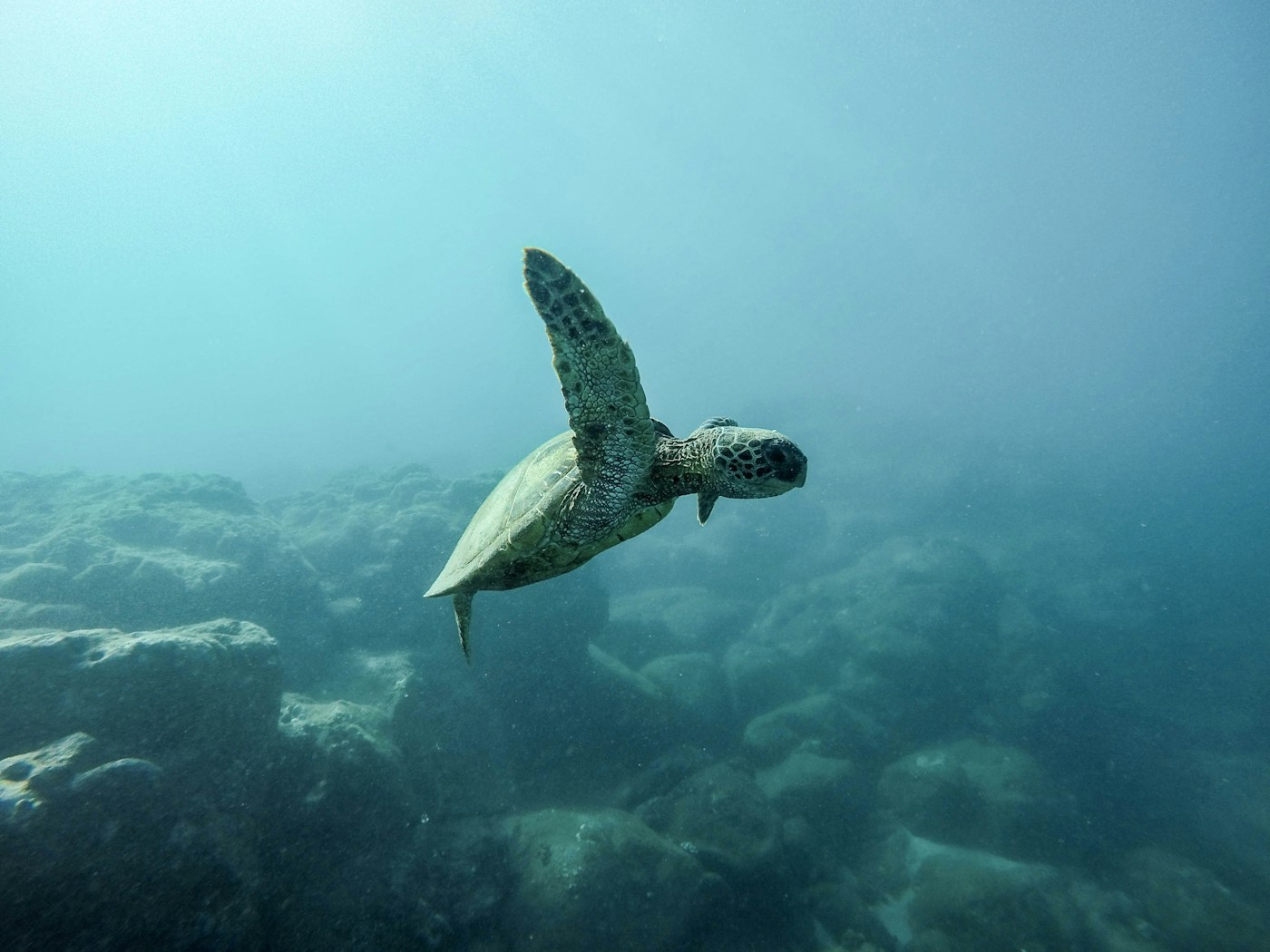
Marine air-breathing vertebrates (seabirds, marine mammals, sea turtles) included in the ingestion records, based on data from 284 independent studies.
Stranded and bycaught individuals across 1,115 unique global population observations.
No matching records
The concentration at which 20% of assessed species are expected to be affected — the intersection marked on the species sensitivity distribution at right.
The first global effect factor covering both macro- and microplastic ingestion in marine vertebrates, ready for use in Life Cycle Impact Assessment.
What this research did
We compiled field observations of plastic ingestion in 308 species of marine air-breathing vertebrates — marine mammals, seabirds, and sea turtles — drawing population-level ingestion prevalence for both macro- and microplastic debris from peer-reviewed literature and databases, including records from stranded and bycaught individuals across multiple global regions. Based on where each species has been observed, we estimated exposure to marine plastic debris by delineating species ranges across eight major ocean basins, then developed species-specific dose-response relationships linking ingestion prevalence to plastic concentration.
From these relationships we constructed a field-based species sensitivity distribution (SSD) and derived a global effect factor; the first to combine macro- and microplastics into a single ingestion impact pathway for use in LCA. The SSD indicates that a concentration of 51.7 kg/km³ affects 20% of species above a 10% ingestion-prevalence threshold, giving an effect factor of 3.87×10⁻³ PAF·km³/kg. A sensitivity analysis confirmed the result held to the same order of magnitude.
Why this research matters
Plastic ingestion is one of the most widespread and well-documented mechanisms by which marine species are affected by plastic pollution, yet its physical effects have remained largely absent from Life Cycle Impact Assessment (LCIA). By omitting these effects, LCA overlooks one of the most pressing environmental stressors and can substantially underestimate the overall impacts of plastic products. This effect factor fills that gap by allowing plastic ingestion to be assessed alongside other stressors, such as ecotoxicity and climate change, within the same framework.
The way forward
This work has several limitations, each pointing to a direction for further research. The assessment is restricted to marine air-breathing vertebrates, a comparatively well-documented group, but only a narrow part of the biodiversity affected by plastic ingestion. Fish, invertebrates, and benthic organisms are also known to ingest plastic debris at scale, yet remain outside the scope of this effect factor, in part because consistent ingestion and exposure data are far less available for them. The framework is also confined to the marine environment. Soil organisms, freshwater species, and terrestrial vertebrates all encounter plastic debris, but no equivalent effect factors yet exist for these compartments, leaving a large share of the plastic life cycle uncharacterized in LCA. A further limitation lies in what the effect factor measures. The effect factor is also built on ingestion prevalence rather than on measured biological consequences; it reflects how widely plastic is ingested across species populations, but not the severity of the physical harm that follows. Translating ingestion into population-level effects — gastric impaction, starvation from false satiation, internal injury, and mortality — remains a fundamental methodological challenge, and one that future models will need to resolve before these impacts can be expressed as damage to biodiversity. Compounding this, the geographic coverage of the underlying records is uneven. Data from Africa, Asia, and the Southern Ocean are markedly underrepresented, which likely masks impacts on the endemic and range-restricted species these regions support rather than indicating their absence.
Closing these gaps is essential if plastic ingestion is to be fully integrated into Life Cycle Assessment and to serve as a credible basis for policy.
Marhoon, A., Murphy, E. L., Høiberg, M. A., Borgelt, J., Dorber, M., & Verones, F. (2025). An effect factor for macro- and microplastic ingestion impacts on marine ecosystems for use in life cycle impact assessment. Marine Pollution Bulletin. https://doi.org/10.1016/j.marpolbul.2025.118968